
By: Sudipta Rudra
For the last 10,000 years or so, Earth has enjoyed a climate equilibrium with average temperatures around 14–15° C, predictable rainfall, and sea levels that were relatively controlled (Reid, 2022). However, this condition has changed. As climate change accelerates, the resilience of our infrastructure has been put to the test. Rising temperatures, extreme weather events, and drastic changes in precipitation have put infrastructure in a vulnerable position. Thus, civil engineers are challenged with designing and maintaining an adaptable infrastructure. Specifically, a gauge of climate-related stressors is required to incorporate changed infrastructure into society with an unpredictable future of climate change. That being said, urban planners, scientists, and government agencies are examining the effects of climate change on infrastructure. These studies have revealed the challenges engineers encounter with climate change and observe the proposed solutions currently being developed to mitigate climate change's wrath on infrastructure. With these efforts, civil engineers can ensure that their designs are resilient, efficient, and adaptable in an unstable and moving environment.
Discussing the impact climate change may have on infrastructure is required to understand the possible solutions civil engineers can utilize to ameliorate the harsh impact and difficulties of climate change. Human activity has caused climate change by increasing average temperatures and precipitation, with the U.S. average temperature increasing from 1.3°F to 1.9°F and the warming advancing since the 1970s (Olsen, 2015). The intensity, frequency, and duration of North Atlantic hurricanes have increased along with stronger hurricanes, and winter storms have since the 1950s (Olsen, 2015). Alarmingly, the greater variation in natural disasters and adverse climate events is particularly concerning (Figure 1). This increased variability in climate events causes difficulties for civil engineers in incorporating climate as a factor in their designs.
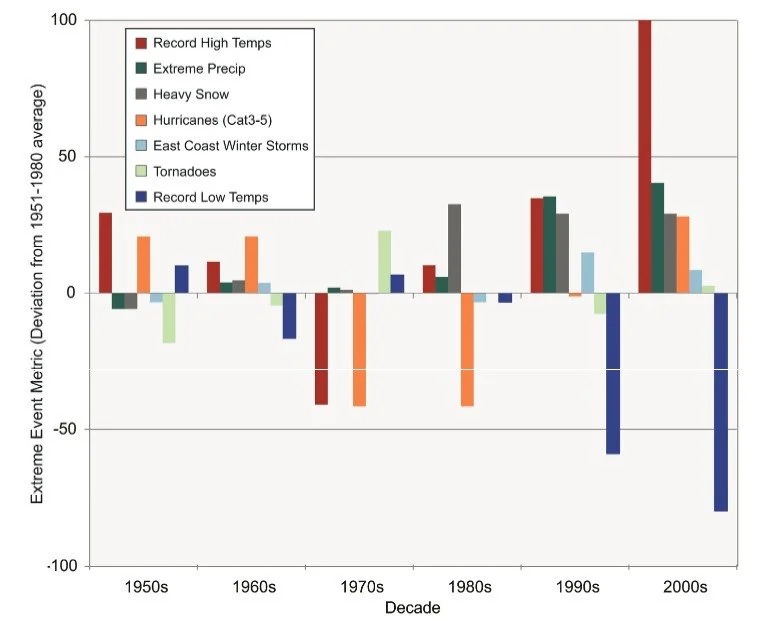
Figure 1: A representation of how weather in the early 2000s has become far more drastic than past years. (Olsen, 2015)
The rapid climate change worldwide has caused numerous problems with implementing safe and reliable infrastructure. Civil engineers use historical climate conditions to predict future conditions to implement their designs, relying on historical data with codes and standards, which puts an emphatic enforcement to follow this data (Reid, 2022). However, due to rapid changes in the climate, these historical parameters have become outdated. Infrastructure is expected to remain functional, durable, and safe for 50 to 100 years (Olsen, 2015), and rapid climate change makes this difficult to achieve. Global climate models (GCMs) are primary tools that climate scientists use to make projections for future world climate. GCM output consists of many variables describing conditions on the atmosphere and surface, but precipitation and temperature are mainly utilized to assess the future impact on built systems (Olsen, 2015). Thus, while they are effective models for predicting the climate, they are inadequate for the increased variability of climate and differences in regional and global climate. This uncertainty can cause engineers to make plans and develop a new paradigm to adapt to future climate and weather with possible tradeoffs with the system reliability and potential consequences of failure (Figure 2).
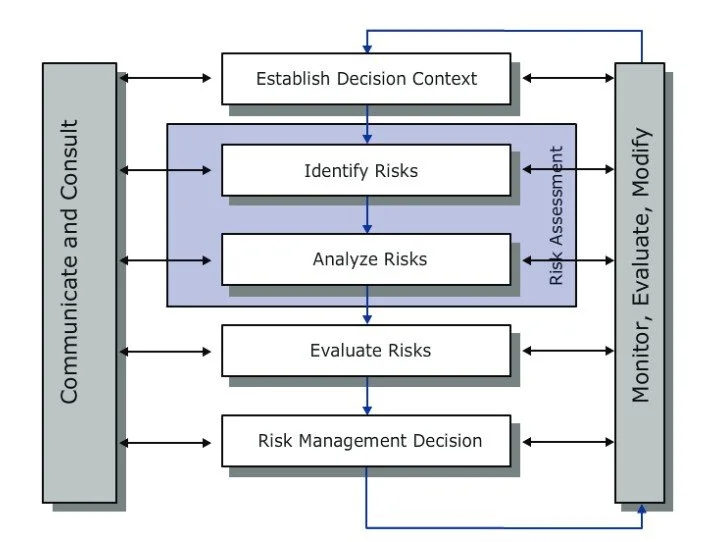
Figure 2: A model of how civil engineers can create models of ways to make changes to infrastructure with the factor of climate change. (Olsen, 2015)
While GCMs have limitations, there are detailed technological models and systems to incorporate resilient infrastructure. Although models of climate may be uncertain, advanced simulation tools such as Building Information Modeling (BIM) and Geographic Information Systems (GIS) create precise modeling of how certain infrastructures will perform under various climates and allow for adjustments to be made before construction (Designing Climate-Resilient Infrastructure: A Key Challenge, 2024). BIM and GIS can simulate factors such as energy performance, traffic flow, site suitability, and how climate factors affect structural integrity (Ma & Ren, 2017). These two models effectively accomplish these factors by working together: BIM holds multiple variables of buildings, weighing in materials, electrical systems, HVAC, etc., while GIS models possess geography, terrain, and climate patterns of the Earth. Thus, these models combat an alternative problem of climate change: the responsibility to withstand power grid failures during extreme events. This advanced technology allows civil engineers to know what and where they are building with many constraints built into the models.
In addition to strong models, there are direct solutions that adapt to the climate. The central solution is green infrastructure, which is green space that conserves natural ecosystems and creates safety and economic advantages (Tyler, 2016). There are various forms of green infrastructure; however, a few are green roofs and green streets (EPA, 2015). Green roofs are buildings that incorporate vegetation on their rooftops, which reduce stormwater runoff, improve air quality, and lower energy costs. Similarly, green streets use plantings, permeable pavements, and rain gardens to manage stormwater at its source and reduce the risk of flooding. Moreover, these innovations mitigate the urban heat island (UHI) effect and improve the environment's health with improved air quality. The UHI effect occurs when urban areas lack sufficient green spaces. Because urban areas have more buildings and roads, they absorb more of the sun's heat compared to the natural landscape, which creates pockets of heat that are referred to as "heat islands" (EPA, 2024). These heat islands raise urban temperatures, but methods of green infrastructure help mitigate this effect by cooling the environment with decreased absorption of heat.
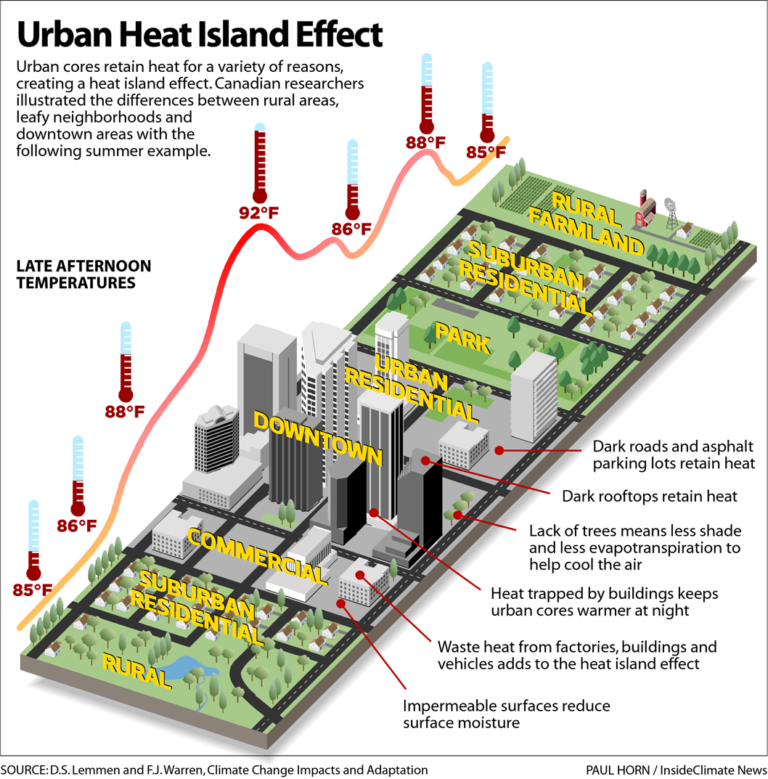
Figure 3: A representation of how urban areas lacking vegetation and plants have increased temperatures. (Mulhern, 2020)
Although engineers have made significant headway in developing resilient infrastructure along with strong technological models, the uncertainty of climate change may leave even these innovations obsolete. In fact, some experts claim that it is best to design infrastructure for a shorter design life with the expectation that future civil engineers will adapt the infrastructure to future changes (Reid, 2022). Along with these proposals, policy changes to codes and standards in the U.S. can create a domino effect internationally, encouraging other countries to raise their infrastructure standards. Overall, this can reduce design and maintenance costs and the costs of climate-related natural disasters. However, civil engineers are insufficient to address the problems; cooperation with scientists, urban planners, economists, emergency experts, etc. will be necessary to address these concerns. If nothing is changed with our infrastructure, climate change is expected to cost $3.6 trillion through 2100, but with resilient measures, it will only cost about $820 billion (Reid, 2022). This unknown future of the climate will cause problems for society, but with cooperation and a sense of urgency, individuals from various professions can contribute to resilient infrastructure.
References
admin (2024, August 13). Designing Climate-Resilient Infrastructure: A Key Challenge. My Blog - My WordPress Blog. https://krct.ac.in/blog/2024/08/13/designing-climate-resilient-infrastructure-to-a-modern civil-engineering-challenge/
Civil Engineering Explained. (2025, February 26). How Can Civil Engineers Design Infrastructure to Withstand the Effects of Climate Change? YouTube. https://www.youtube.com/watch?v=9nRnQMTUuyE
Galliah, S. (2024, October 15). Designing for Sustainability and Climate Change: Two Challenges Facing Civil Engineers | Michigan Tech Global Campus News. Michigan Tech Global Campus News. https://blogs.mtu.edu/globalcampus/2024/10/two-challenges-facing-civil-engineer s/
Gomberg, S., & Udvardy, S. (2019). Building Equitable, Clean, and Climate-Safe Infrastructure. Union of Concerned Scientists. http://www.jstor.org/stable/resrep24106
Ma, Z., & Ren, Y. (2017). Integrated Application of BIM and GIS: An Overview. Procedia Engineering, 196, 1072–1079. https://doi.org/10.1016/j.proeng.2017.08.064
Olsen, J. R. (Ed.). (2015). Adapting Infrastructure and Civil Engineering Practice to a Changing Climate. https://doi.org/10.1061/9780784479193
Reid, R. (2022, January 3). How to make infrastructure more resilient against climate change. Www.asce.org; American Society of Civil Engineers. https://www.asce.org/publications-and-news/civil-engineering-source/civil-engine ering-magazine/issues/magazine-issue/article/2022/01/how-to-make-infrastructure -more-resilient-against-climate-change
RISA. (2024, June 6). Engineering Tomorrow: Adapting Infrastructure for Climate Change and Disasters. Risa.com; RISA Tech, Inc. https://blog.risa.com/engineering-tomorrow-adapting-infrastructure-for-climate-c hange-and-disasters
United States Environmental Protection Agency. (2015, September 30). About Green Infrastructure | US EPA. US EPA. https://www.epa.gov/green-infrastructure/about-green-infrastructure
United States Environmental Protection Agency. (2024, December 10). What Are Heat Islands? | US EPA. US EPA. https://www.epa.gov/heatislands/what-are-heat-islands
Tyler, J. (2016). Sustainable Hazard Mitigation: Exploring the Importance of Green Infrastructure in Building Disaster Resilient Communities. Consilience, 15, 134–145. http://www.jstor.org/stable/26188762
Image References
Mulhern, O. (2020, July 21). What Is an Urban Heat Island? Earth.org - Past | Present | Future. https://earth.org/data_visualization/urban-heat-islands/
Olsen, J. R. (Ed.). (2015). Adapting Infrastructure and Civil Engineering Practice to a Changing Climate. https://doi.org/10.1061/9780784479193